
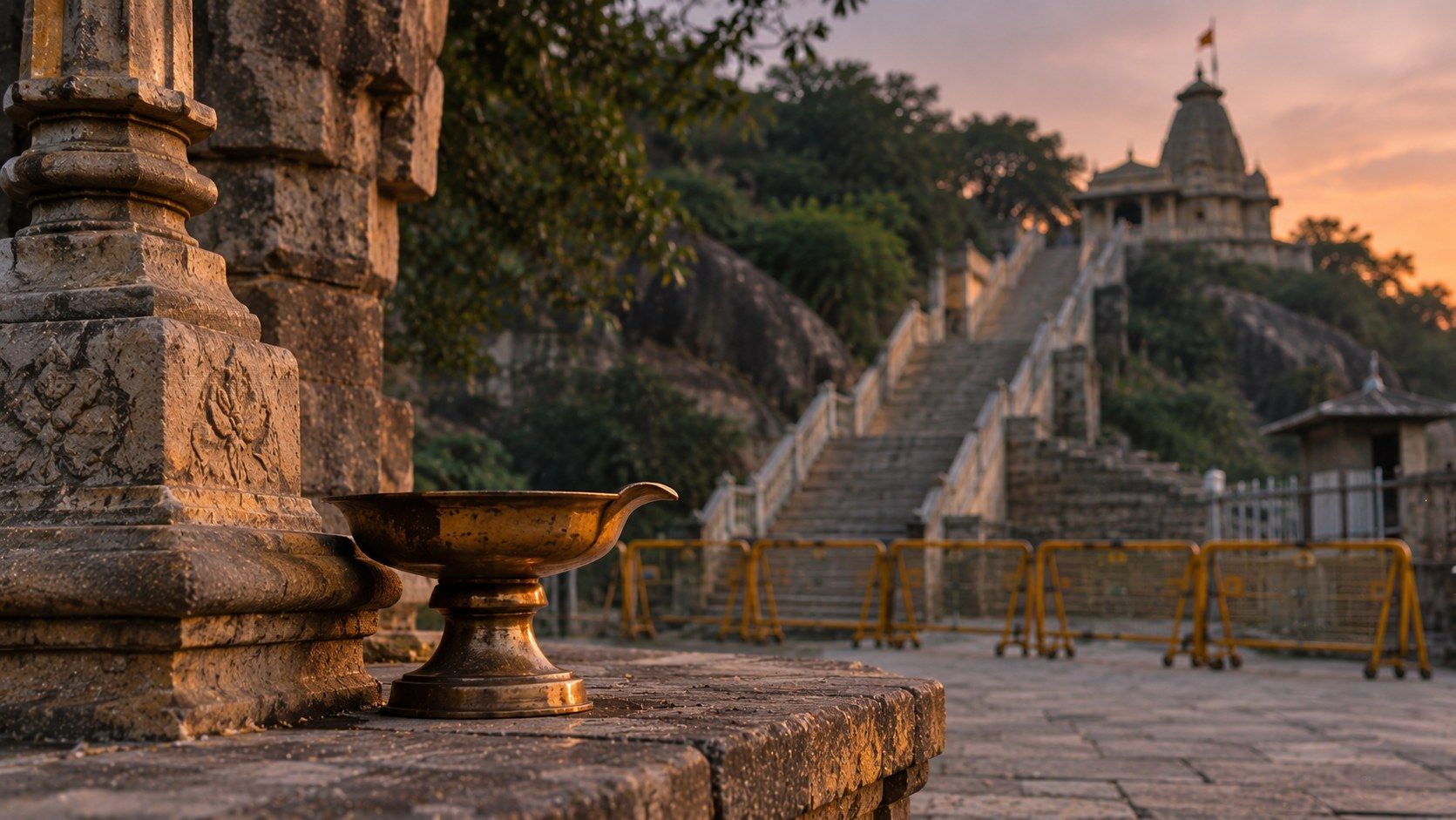
A Bench of Justice G.R. Swaminathan and Justice M.D. Sumathi of the Madurai Bench of the Madras High Court passed an order on 24 November 2026 on two petitions concerning the Thiruparankundram hill in Madurai, according to a news report published that day. The petitions were filed by J. Malai Raja and J. Jaaswant, and the report gives no case numbers or the exact text of the order.
What Happened
The Court said that criticism of judicial directions is allowed, even sharp criticism, but that the order restrains calls to prevent the implementation of the Supreme Court's order. It said that a pending review petition does not excuse non-compliance, and that the Supreme Court has not yet decided the review. Police must release without delay anyone who was unlawfully detained, and the two petitions were closed. The Court said that it would not go beyond the Supreme Court's order.
Background
According to the report, the Supreme Court on 20 November 2026 permitted a one time lighting of the Karthigai Deepam lamp on the Thiruparankundram hill. The Madurai Collector issued a prohibitory order under Section 163 of the Bharatiya Nagarik Suraksha Sanhita that restricted gatherings across the district until 10 AM on 25 November. A review petition by the Tamil Nadu government is pending in the Supreme Court. The report says that the lamp was lit on 24 November, and that counsel stated orally that about 250 people had been detained. The report does not say whether the High Court made a finding on the detentions.
The Legal Question Explained
Two questions arose: whether the Collector's order could restrict religious observances, and whether calls to defy the Supreme Court's order could be restrained. Article 144 of the Constitution requires all authorities in India to act in aid of the Supreme Court. Article 25 protects freedom of religion.
What the Court Said
As reported, the Court said that under Article 144 the Collector must act in aid of the Supreme Court and should disregard advice to flout it, even from another authority. The prohibitory order must be applied so as to preserve religious freedom under Article 25.
Why It Matters
The order draws a line between legitimate criticism of a court order and calls to obstruct it, and it reminds authorities that a pending review does not suspend the order under review.
What Comes Next
The report does not state any later hearing date in the High Court. The review petition in the Supreme Court remains pending.