Supreme Court Holds a Paid-Entry Business-to-Business Jewellery Show Is Taxable Entertainment Under Maharashtra's Entertainments Duty Law
On 19 November 2026, a Supreme Court Bench of Justice S. V. N. Bhatti and Justice N. V. Anjaria decided The Gem and Jewellery Export Promotion Council v. State of Maharashtra and Others (2026 INSC 1246, Civil Appeal No. 1889 of 2015). Justice Bhatti authored the judgment. The Court dismissed the appeal and agreed with the Bombay High Court that exhibitions with paid entry fall within the definition of entertainment under the Bombay Entertainments Duty Act, 1923, even when they are business-to-business events. Here is the story, the legal reasoning, and what it means for you.
A Trade Show Taxed as a Show
The appellant organises the India International Jewellery Show and a related show called IIJS Signature. The judgment describes them as business-to-business trade shows. Visitors fill in an application, are vetted and pay an entry fee. The authorities treated the shows as taxable entertainment. For the 2011 show, they fixed liability at Rs 97,09,500 on 31 July 2012. On 30 November 2012, the Divisional Commissioner reduced the assessment to Rs 45,40,125 and ordered a refund of Rs 51,69,250. The Bombay High Court dismissed the appellant's writ petition, and the appellant came to the Supreme Court.
The Legal Concept: What Is Entertainment?
The 1923 Act taxes admission to entertainments. Section 2(a) defines entertainment broadly, using the word includes, which signals that the list is not exhaustive. The Court looked at the leading decision in Geeta Enterprises v. State of Uttar Pradesh, which treats admission for payment as the deciding test. It also referred to cases such as Union Medical Agency, Bharat Cooperative Bank and Godfrey Phillips India. The judgment also refers to the Entertainment and Betting Tax Act, 1937, in discussing precedent.
What the Court Decided
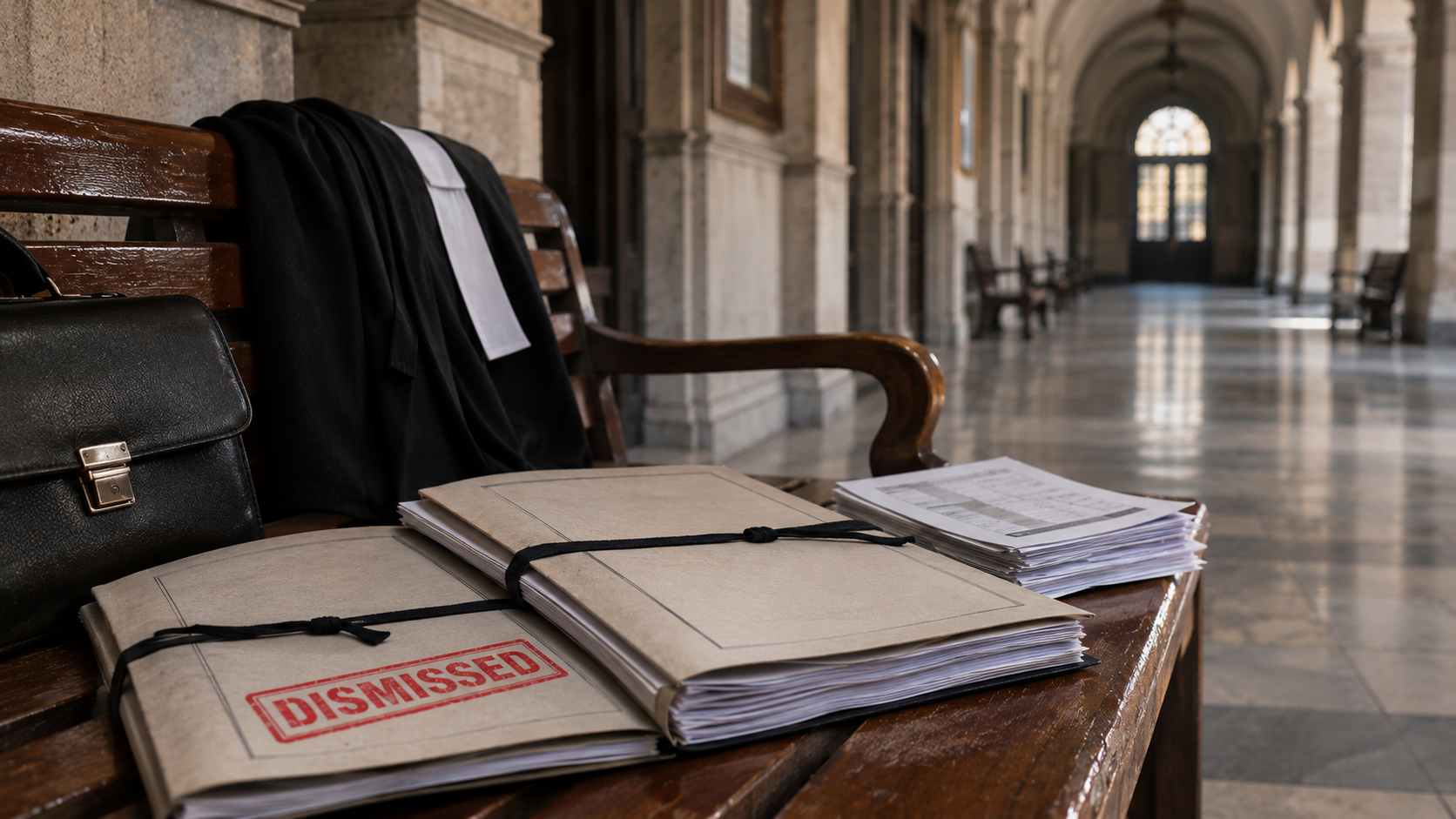
The Court held that the exhibition falls within the definition of entertainment because entry is on payment, even though the event is a trade show. It said that the form-filling and security vetting of visitors did not take the event out of the Act. It said it was in full agreement with the High Court. The appeal was dismissed and pending applications, if any, were disposed of. The judgment gives no new amounts, apart from the figures recited from the lower orders.
What It Means in Practice
For organisers of trade fairs and exhibitions in Maharashtra, the decision means that an entry fee can bring the event within the duty net, even if the audience is only trade visitors. They should review their ticketing, entry arrangements and any exemptions.
For the State, it confirms the width of the definition. For advisers, it shows that the label business-to-business has limited value when the statute focuses on admission for payment.
Organisers outside Maharashtra should check the entertainment or tax laws of their own State, since each has its own wording and rates.
The Indian Angle
Entertainment taxes in India were largely subsumed into the goods and services tax regime in 2017, with certain local body taxes still allowed, so this dispute concerns an older period. It nevertheless illustrates how wide definitions in older State laws can capture modern commercial events, and it may be cited in other pending assessments for earlier years.
This blog is for general informational purposes and does not constitute legal advice. For guidance on entertainment duty, exhibitions and indirect tax disputes, please contact our team.