Doctors Attacked in a Labour Ward, Bail Granted, Then Cancelled. The Supreme Court Says a Grievance Is Not a Licence for Violence.
In State of Maharashtra v. Ramesh Sukrya Mhatre and Others (Criminal Appeal No. 4604 of 2026, reported as 2026 INSC 1075), a bench of Justice Vikram Nath and Justice Sandeep Mehta, in a judgment reported on 3 October 2026, allowed the State's appeal and cancelled the bail of a municipal corporator and three co-accused who are alleged to have assaulted on-duty doctors in a hospital labour ward. The Court held that violence against doctors cannot be tolerated, especially when an elected office-holder is involved, and that the Bombay High Court had given no good reason for changing its earlier view. Here is the sequence of events, the legal test for cancelling bail, and the directions the Court issued.
A Labour Ward, Three Doctors and a Bail Order That Kept Changing
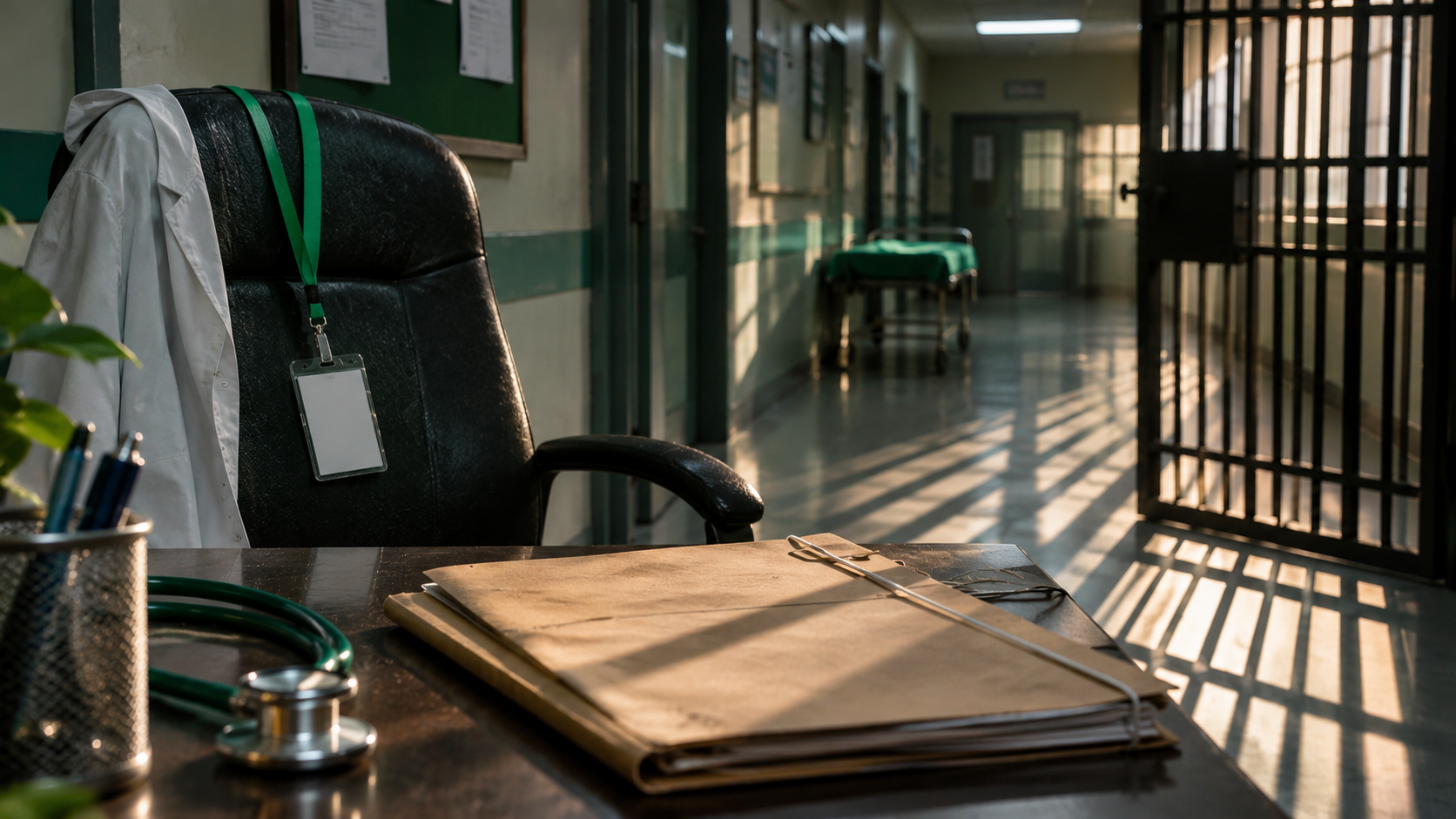
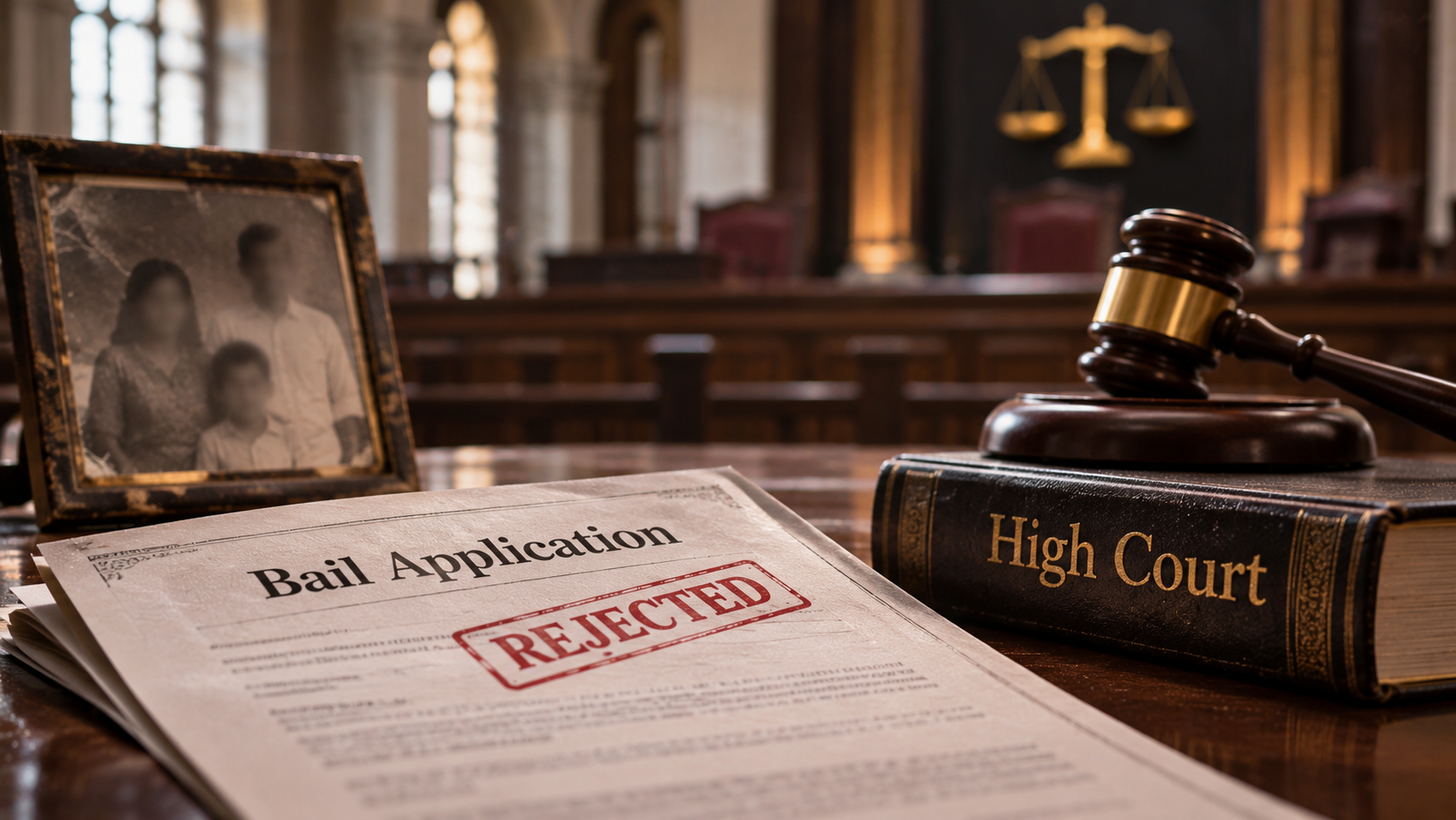
The incident took place on 6 July 2026 at a municipal hospital in Dombivli in Maharashtra. According to the prosecution, the corporator and three others assaulted and verbally abused three doctors, including a woman doctor, in the labour ward. The dispute is reported to have concerned a pregnant patient in labour. An FIR was registered on 7 July 2026 under provisions relating to assault on public servants, hurt, rioting and criminal intimidation, along with the Maharashtra Medicare Service Persons and Medicare Service Institutions (Prevention of Violence and Damage or Loss to Property) Act, 2010. A Magistrate at Kalyan granted bail on 14 July. After protests by doctors, the Bombay High Court took suo motu notice on 18 July, stayed the bail orders and directed the corporator to surrender. On 7 August, the High Court granted bail again, on conditions that included staying outside Maharashtra until the trial, reporting regularly to a police station in Goa, surrendering passports, and having no contact with witnesses. It also ordered a fast-track trial. The State then appealed to the Supreme Court.
When Can Bail Be Cancelled?
Cancelling bail is different from refusing it in the first place. Courts do not take back bail lightly, because liberty once granted should not be disturbed without strong reasons. But a bail order can be set aside if it is perverse, if it ignores relevant material, or if it is passed without proper reasons, and the facts of the case, the nature of the accusation, the risk to witnesses and the conduct of the accused all matter. The accused's criminal antecedents are also relevant, as the Supreme Court held in Ash Mohammad v. Shiv Raj Singh (2012). The accused in this case said that he had been acquitted or discharged in nearly all of the earlier cases that the State relied on.
What the Supreme Court Held
The Court said that violence against doctors on duty cannot be tolerated, and it put the point in strong terms by saying that a grievance, however genuine, does not confer a licence to resort to violence. It held that a secure working environment for doctors serves the public interest, that doctors remain accountable and patients can still complain of negligence through legal remedies, and that elected representatives cannot use public office to intimidate others. It found that the High Court had given no cogent reason for departing from its own earlier prima facie view, since nothing new had happened to explain the change. It noted that the corporator's continued stay in a hospital during custody raised a concern about whether his influence had been used to avoid effective custody. Because the bail of the three co-accused rested on parity with the corporator, it fell when his bail was found unsustainable.
What the Court Directed
The State's appeal was allowed and the High Court order restoring bail to the four accused was set aside. They were directed to surrender before the Trial Court by 5 October 2026, failing which the Trial Court may cancel their bail bonds and secure their custody. They may apply for bail again if circumstances materially change. The High Court's direction to complete the trial within three months of framing charges was set aside, and the Special Fast Track Court was asked to try to conclude the trial within six months. The State was told to examine independently whether preventive detention provisions apply. The Trial Court was directed to protect material witnesses under Section 9 of the Maharashtra Witness Protection and Security Act, 2017, and the prosecution was asked to review its list of 64 proposed witnesses and drop those who are not essential, without compromising a fair trial.
What the Judgment Does Not Say
This is not a finding of guilt. The allegations remain to be proved at trial, and the accused retain the presumption of innocence. The Court also made clear that its observations do not excuse negligence by medical professionals. Negligence must be dealt with under the applicable law, and patients and families who have genuine complaints have proper remedies through courts and medical authorities.
What This Means for Hospitals, Doctors and Public Representatives
For hospitals, the ruling supports stricter security and a clear complaint process, so that grievances are channelled to law and not to confrontation. For doctors, it is a signal that courts will treat attacks on medical staff as serious, and that bail in such cases can be reviewed on appeal. For elected representatives and those around them, it is a reminder that public office brings accountability, not immunity, and that intervening in a hospital dispute through force can cost a person their bail. For lawyers, the case is a useful guide on the limits of bail orders that change course without new facts, and on how antecedents, witness safety and the influence of the accused are weighed when cancellation is sought.
This blog is for general informational purposes and does not constitute legal advice. For guidance on bail, criminal complaints, or the law on violence against medical professionals, please contact our team.