A Rickshaw Driver Died at an Unmanned Railway Crossing in 2003. Twenty-Three Years Later, the Gujarat High Court Held He Was Himself to Blame.
In Jyotiben Gordhanbhai Dabhi and Others v. Nilesh Gopal Parmar and Another (First Appeal No. 4447 of 2009), decided on 22 October 2026, Justice J.C. Doshi of the Gujarat High Court upheld an order of the Motor Accident Claims Tribunal that dismissed a compensation claim by the family of an auto-rickshaw driver who died when a train struck his vehicle at an unmanned railway level crossing on the Morbi to Rafaleshwar road. The High Court held that the accident was the result of the deceased's own negligence, and that no liability could be placed on the Railways or the vehicle owner. Here is what happened, the legal duty of a driver at an unguarded crossing, and why the Railways were not held liable.
The Accident of 27 August 2003
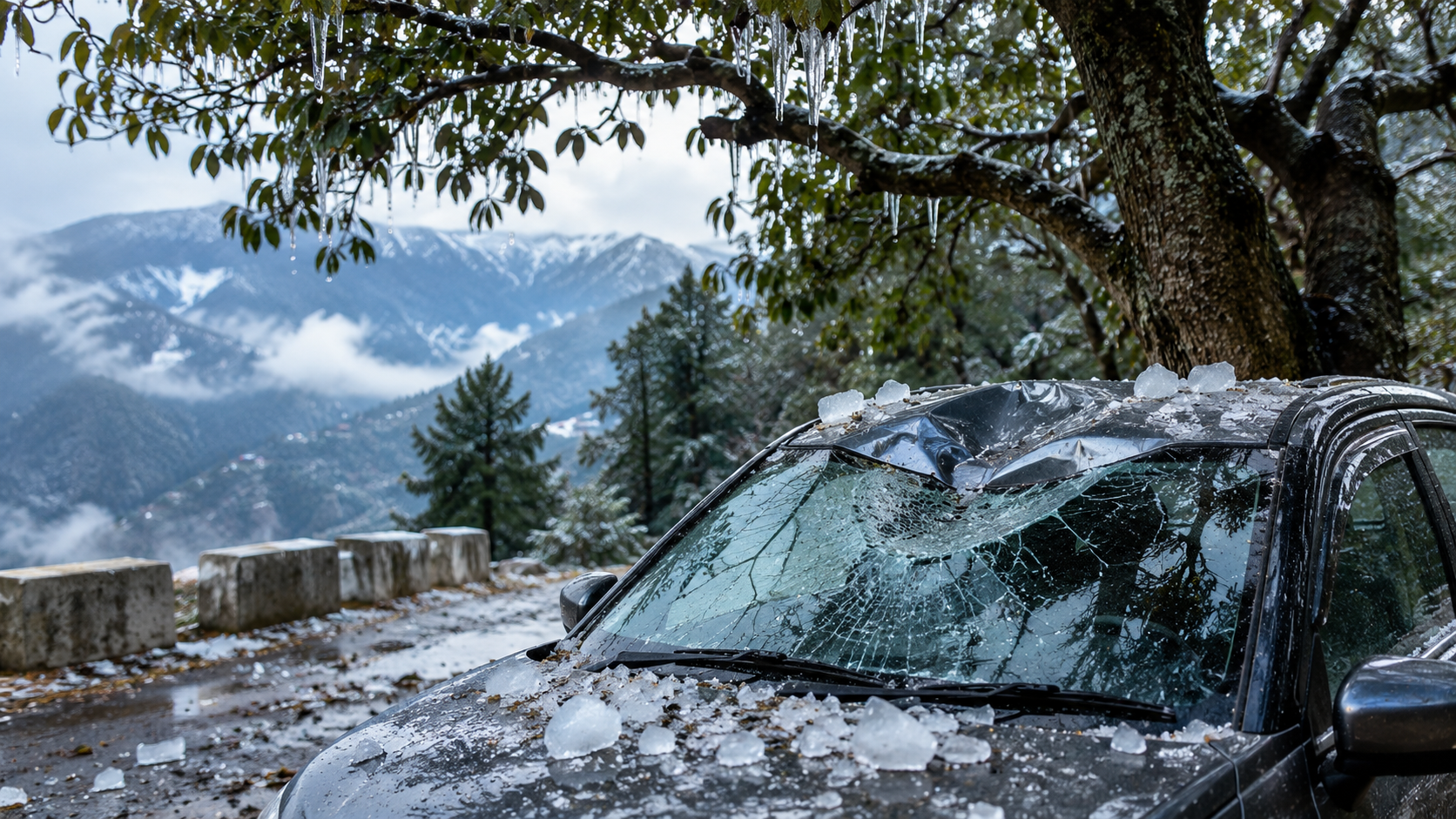
On 27 August 2003, Bachubhai Dabhi was driving an auto-rickshaw carrying passengers across an unmanned level crossing on the Morbi to Rafaleshwar (Makansar) road. A train hit the vehicle, dragged it along the tracks, and the driver died. A first information report was registered against the deceased himself, and an abated summary was filed. His wife and children claimed compensation before the Tribunal from the auto-rickshaw owner and the Union of India, representing the Railway Administration. On 25 August 2009, the Tribunal dismissed the claim, holding the deceased solely negligent. The family appealed to the High Court, where the appeal was decided after a wait of many years.
The Duty of a Driver at an Unguarded Crossing
The Court read Section 131 of the Motor Vehicles Act together with Section 161 of the Railways Act. Together, these provisions place a clear duty on a driver approaching an unguarded crossing to take full precautions. The driver must stop, get down and make sure no train is approaching from either side before crossing. On the evidence, the Court found that the deceased crossed hurriedly, ignoring two other rickshaws that had stopped and were waiting for a train to pass. He stopped on the track when he became frightened by the approaching train and was struck. The Court called this the self-negligence of the deceased.
Why the Railways Were Not Held Liable
The Court cited the Supreme Court's decision in Union of India v. United India Insurance Co. Ltd. (1997) for the point that, under Section 13 of the Railways Act, the Railways have no statutory duty to erect gates or bars at a crossing, or to employ people to operate them, unless the Central Government requires it. Without proof that the Railways failed to perform a statutory or mandatory duty, common law liability could not be imposed. The record showed that a sign board was in place and that the loco pilot had been blowing the horn continuously from the station until the accident. Both the loco pilot and the co-loco pilot were examined, and the record showed no omission by the Railways.
What This Means for Drivers, Families and Claimants
For drivers of auto-rickshaws, trucks and tractors, the lesson is as practical as it is legal. At an unmanned crossing, stop, get down if necessary, look both ways and cross only when it is clearly safe, and never follow the pressure of passengers or vehicles behind. For families who lose a breadwinner, the ruling shows that compensation claims against the Railways depend on proving a failure of a statutory duty, and that the deceased's own conduct will be examined closely. For all claimants, it also shows how long such cases can take, because the accident was in 2003 and the appeal was decided in 2026. Early legal advice on evidence, such as witnesses, site details and train records, can matter a great deal.
This blog is for general informational purposes and does not constitute legal advice. For guidance on motor accident claims, railway accident compensation or appeals, please contact our team.